Introduction: Why Watch Quality Matters
A watch is more than a mechanism that reports the hour. It is a compact expression of engineering, aesthetics, identity, and utility. Some watches survive decades of wear with elegance intact. Others begin deteriorating before the novelty fades.
The modern watch market is saturated with glossy advertisements and flamboyant endorsements. Distinguishing genuine quality from theatrical marketing has become increasingly difficult. A polished Instagram campaign can make an average watch appear transcendent.
Yet truly exceptional watch brands reveal themselves differently. Their value emerges through consistency, reliability, craftsmanship, and thoughtful design rather than sheer promotional noise.
Understanding these distinctions transforms buying from impulsive consumption into informed appreciation.
The Difference Between Branding and Real Craftsmanship
A luxurious logo does not automatically indicate horological excellence. Many brands allocate more resources to marketing than manufacturing.
A genuinely good watch brand prioritizes structural integrity. The movement functions smoothly. The finishing feels deliberate. The materials withstand repeated use. Nothing rattles, creaks, or appears hastily assembled.
Inferior brands often rely on superficial glamour. Oversized cases, excessive gold plating, and dramatic dial patterns may initially impress buyers. However, the illusion dissolves once daily wear exposes weak construction.
Craftsmanship is subtle. It whispers rather than shouts.
What Defines a Truly Good Watch Brand?
Several attributes separate enduring watchmakers from disposable fashion labels:
- Reliable movement performance
- Durable construction
- Consistent quality control
- Strong customer support
- Timeless design philosophy
- Honest pricing
- Positive long-term reputation
A good watch brand does not merely sell products. It cultivates trust.
Brands that obsess over longevity tend to attract loyal communities rather than temporary attention.
Heritage and Brand History
Heritage is not everything, but it matters. A company with decades of consistent production has likely refined its manufacturing processes through experience.
Historic brands survived economic collapses, technological disruption, and changing trends because their products maintained relevance.
That does not mean new brands cannot be excellent. Some emerging companies produce remarkable watches with modern manufacturing techniques. Nevertheless, historical continuity often signals resilience and accumulated expertise.
Consumers should research how long a brand has existed and whether its reputation has remained stable over time.
Movement Quality Explained
The movement is the beating nucleus of a watch. Without a dependable movement, even the most beautiful exterior becomes meaningless.
Movements generally fall into three categories:
- Quartz
- Automatic
- Manual mechanical
A superior movement demonstrates:
- Accuracy
- Durability
- Serviceability
- Efficient power management
Established movement manufacturers such as Seiko, Miyota, ETA, and Sellita are widely respected because they consistently produce dependable calibers.
Many affordable watches available through Myles Haven feature practical quartz movements designed for reliability and ease of use.
Quartz vs Automatic: Which Is Better?
This debate animates watch enthusiasts endlessly.
Quartz watches offer:
- Exceptional accuracy
- Low maintenance
- Affordability
- Convenience
Automatic watches provide:
- Mechanical artistry
- Sweeping second hands
- Emotional appeal
- Collectible character
Neither category is inherently superior. The better choice depends on lifestyle and preference.
For someone seeking simplicity and precision, quartz is immensely practical. For someone fascinated by miniature engineering, automatic watches possess undeniable romance.
The Importance of Case Materials
Materials reveal whether corners were cut during production.
High-quality watches commonly use:
- Stainless steel
- Titanium
- Ceramic
- Carbon composite
Cheap alloy cases often corrode, fade, or scratch excessively.
Stainless steel remains the industry favorite because it balances durability, aesthetics, and affordability beautifully.
Titanium feels lighter and more contemporary. Ceramic resists scratches impressively but may crack under severe impact.
Material selection communicates a brand’s priorities.
Sapphire Crystal vs Mineral Glass
One overlooked feature dramatically affects long-term satisfaction: the crystal.
Sapphire crystal offers:
- Superior scratch resistance
- Enhanced clarity
- Premium feel
Mineral glass is cheaper and reasonably durable but scratches more easily.
Plastic acrylic crystals appear on vintage-inspired watches and can develop charming patina, though they require more care.
A genuinely good watch brand clearly discloses crystal specifications instead of obscuring them in vague marketing language.
Water Resistance and Everyday Durability
Many buyers misunderstand water resistance ratings.
A watch labeled “30 meters” is not necessarily suitable for swimming. It generally tolerates splashes and rain only.
Good brands provide realistic and transparent specifications. They also ensure seals, crowns, and gaskets are properly engineered.
Durability extends beyond water. Excellent watches survive:
- Daily knocks
- Temperature fluctuations
- Repeated strap changes
- Long-term wear
A quality watch should feel reassuringly solid without becoming cumbersome.
Watch Accuracy and Reliability
Luxury means little if the watch loses several minutes weekly.
Reliable brands test movement consistency carefully before release. Mechanical watches naturally vary slightly in accuracy, but reputable brands maintain acceptable tolerances.
Quartz watches typically outperform mechanical alternatives in raw precision. However, collectors often accept slight mechanical imperfections because they value craftsmanship over numerical exactitude.
Reliability ultimately builds confidence. A good watch should become dependable enough that its owner forgets to worry about it.
Design Language and Timeless Appeal
Timeless design ages gracefully.
Many trendy watches become visually exhausting after a year or two because they chase fleeting aesthetics. Good brands usually cultivate recognizable design identities without appearing gimmicky.
Balanced proportions matter enormously:
- Lug width
- Dial symmetry
- Case thickness
- Hand length
- Font selection
The best watches feel cohesive rather than chaotic.
Minimalism often survives trends better than extravagance.
Finishing Details Most Buyers Ignore
Excellent finishing distinguishes remarkable watches from mediocre ones.
Observe:
- Edge polishing
- Dial texture
- Crown engraving
- Hand alignment
- Bezel precision
Cheap watches frequently reveal inconsistencies under close inspection. Indices may appear uneven. Hands may slightly misalign. Brushing may look rough.
Fine finishing demonstrates patience and manufacturing discipline.
Strap and Bracelet Quality
An inferior bracelet can sabotage an otherwise decent watch.
High-quality bracelets feel smooth and substantial. Links articulate naturally without hair-pulling discomfort. Clasps close securely with satisfying precision.
Leather straps should feel supple rather than plasticky. Stitching must appear clean and symmetrical.
Many buyers underestimate how dramatically strap quality affects daily comfort.
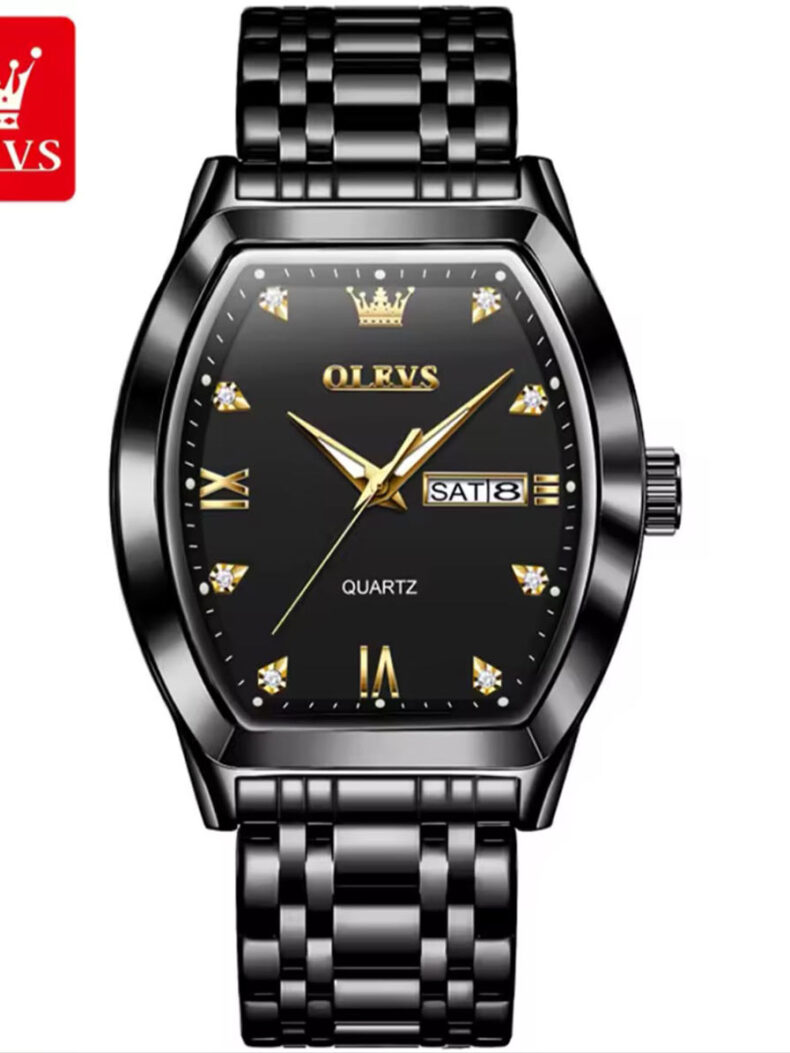
For stylish and affordable options, collections like the OLEVS range at Myles Haven showcase designs that combine visual sophistication with practical wearability.
The Role of Innovation in Watchmaking
Good brands evolve intelligently.
Innovation may involve:
- Solar-powered movements
- Improved shock resistance
- Anti-magnetic technology
- Enhanced lume performance
- Sustainable materials
However, innovation should improve usability rather than merely generate headlines.
Some brands introduce gimmicks that quickly become obsolete. Others refine subtle details that quietly enhance ownership for years.
True innovation is functional.
Customer Reviews and Reputation
Public reputation often exposes truths hidden beneath advertising.
Reading independent reviews helps reveal:
- Long-term durability
- Customer service quality
- Common defects
- Warranty experiences
Watch communities on Reddit frequently discuss authenticity concerns and value perceptions in the Kenyan market. Some users strongly prefer genuine affordable brands over counterfeit luxury pieces.
Consistent positive experiences across years matter more than viral hype.
Warranty and After-Sales Support
A confident watch brand stands behind its products.
Good warranties indicate:
- Manufacturing confidence
- Accountability
- Long-term commitment
Brands with poor after-sales support often disappear once problems arise.
Reliable service centers and spare-part availability become especially important for mechanical watches requiring maintenance every few years.
A beautiful watch loses charm quickly if repairs become impossible.
Resale Value and Collectibility
Not every watch must appreciate financially. Yet resale value still reveals market confidence.
Strong resale performance often indicates:
- Brand desirability
- Mechanical reliability
- Historical importance
- Limited production quality
Some watches become heirlooms. Others become clutter.
Collectors usually prioritize authenticity, provenance, and enduring design over short-lived trends.
Fake Luxury vs Honest Affordability
One of the biggest mistakes buyers make is pursuing counterfeit prestige instead of authentic quality.
An honest affordable watch from Casio, Citizen, Seiko, or Naviforce often provides more satisfaction than a fake imitation of a luxury icon.
Within online watch discussions in Kenya, enthusiasts frequently emphasize preferring genuine affordable watches over counterfeit luxury replicas.
Authenticity carries dignity. Pretension rarely does.
How Social Media Creates Watch Hype
Social media has transformed watches into performative accessories.
Influencers frequently showcase oversized watches, diamond embellishments, or flashy branding because these attract visual attention quickly.
Unfortunately, visibility does not equal quality.
Many aggressively promoted brands rely on:
- Dropshipping
- White-label manufacturing
- Inflated pricing
- Artificial scarcity
A genuinely good watch brand does not depend entirely on influencer theatrics to sustain credibility.
Price vs Actual Value
Expensive does not always mean exceptional.
Some luxury brands charge substantial premiums for prestige alone. Meanwhile, several affordable manufacturers produce astonishingly competent watches at accessible prices.
Value emerges from the relationship between:
- Build quality
- Performance
- Design
- Longevity
- Ownership experience
Smart buyers evaluate substance rather than merely price tags.
Signs a Watch Brand Is Overrated
Several warning signs deserve attention:
- Excessive celebrity endorsements
- Minimal technical specifications
- Unrealistic discounts
- No service infrastructure
- Generic designs copied from luxury icons
- Vague marketing terminology
- Poor transparency about movements
A trustworthy watch brand welcomes scrutiny.
Why Entry-Level Watches Can Still Be Excellent
Entry-level watches often provide extraordinary value.
Brands like Seiko, Casio, Citizen, and Orient built loyal followings by delivering consistency at modest prices.
Affordable watches are ideal for:
- New collectors
- Daily wear
- Travel
- Professional environments
Many consumers discover deeper appreciation for watchmaking through accessible models before exploring higher-end pieces.
Affordable excellence remains excellence.
Smartwatches vs Traditional Watches
Smartwatches prioritize functionality. Traditional watches emphasize permanence.
Smartwatches excel in:
- Notifications
- Fitness tracking
- Connectivity
Mechanical watches excel in:
- Longevity
- Emotional value
- Craftsmanship
- Style continuity
A smartwatch may become obsolete within five years. A well-made mechanical watch can remain functional for generations.
The distinction is philosophical as much as technological.
How to Buy Watches Without Regret
Thoughtful buying prevents disappointment.
Before purchasing:
- Research the movement
- Check independent reviews
- Understand the warranty
- Verify authenticity
- Consider long-term wearability
Avoid impulsive purchases driven purely by hype.
A watch should resonate personally. The best choices often feel quietly correct rather than dramatically exciting.
Exploring curated collections such as the watch section at Myles Haven can help buyers compare styles and specifications before committing.
Recommended Watch Styles for Different Buyers
For Professionals
Minimal stainless steel watches with clean dials project sophistication without ostentation.
For Outdoor Enthusiasts
Durable sports watches with high water resistance and luminous hands perform exceptionally well.
For Collectors
Mechanical watches with distinctive heritage and strong movements provide enduring fascination.
For Everyday Wear
Simple quartz watches remain practical, reliable, and versatile.
The ideal watch aligns with lifestyle rather than trends.
Final Thoughts: Choosing a Watch That Truly Matters
A genuinely good watch brand earns admiration gradually.
Its products withstand scrutiny. The details feel intentional. The ownership experience remains satisfying long after the excitement of purchase fades.
True quality reveals itself through reliability, craftsmanship, transparency, and enduring design—not merely logos or inflated prices.
The finest watches are not always the loudest. Often, they are the ones quietly keeping perfect time while everything else chases attention.