Introduction to Modern Wristwatches
Wristwatches are no longer simple timekeeping instruments. They have evolved into personal fashion statements, symbols of sophistication, and reflections of individuality. Some men prefer the intricate artistry of automatic watches, while others gravitate toward the pragmatic precision of quartz models.
Choosing between automatic and quartz watches can be surprisingly difficult. Both categories possess distinct advantages, unique engineering principles, and dedicated enthusiasts.
Understanding these differences helps buyers make informed purchasing decisions while appreciating the horological craftsmanship behind every timepiece.
Understanding Watch Movements
The “movement” is the beating heart of a watch. It controls how the hands move and how the watch measures time.
There are two dominant movement categories in the modern watch industry:
- Automatic movements
- Quartz movements
Although both serve the same purpose, their internal mechanisms differ dramatically. One relies on mechanical ingenuity. The other depends on electronic precision.
This divergence creates entirely different ownership experiences.
What Is an Automatic Watch?
An automatic watch is a self-winding mechanical timepiece powered by kinetic energy generated through wrist movement.
Unlike battery-powered watches, automatic models use an elaborate system of gears, springs, and rotors. As the wearer moves their wrist throughout the day, the rotor spins and winds the mainspring automatically.
This meticulous engineering creates a timeless charm that many watch enthusiasts admire deeply.
Automatic watches are often associated with prestige, artisanal craftsmanship, and traditional luxury.
Explore stylish luxury-inspired timepieces at MylesHaven.
How Automatic Watches Work
Inside an automatic watch lies an intricate labyrinth of miniature components working harmoniously together.
The key elements include:
- Rotor
- Mainspring
- Gear train
- Escapement
- Balance wheel
The rotor rotates with wrist movement. This action winds the mainspring, which stores energy and gradually releases it to power the watch.
The process is entirely mechanical. No battery is required.
This mechanical choreography is what makes automatic watches fascinating to collectors.
What Is a Quartz Watch?
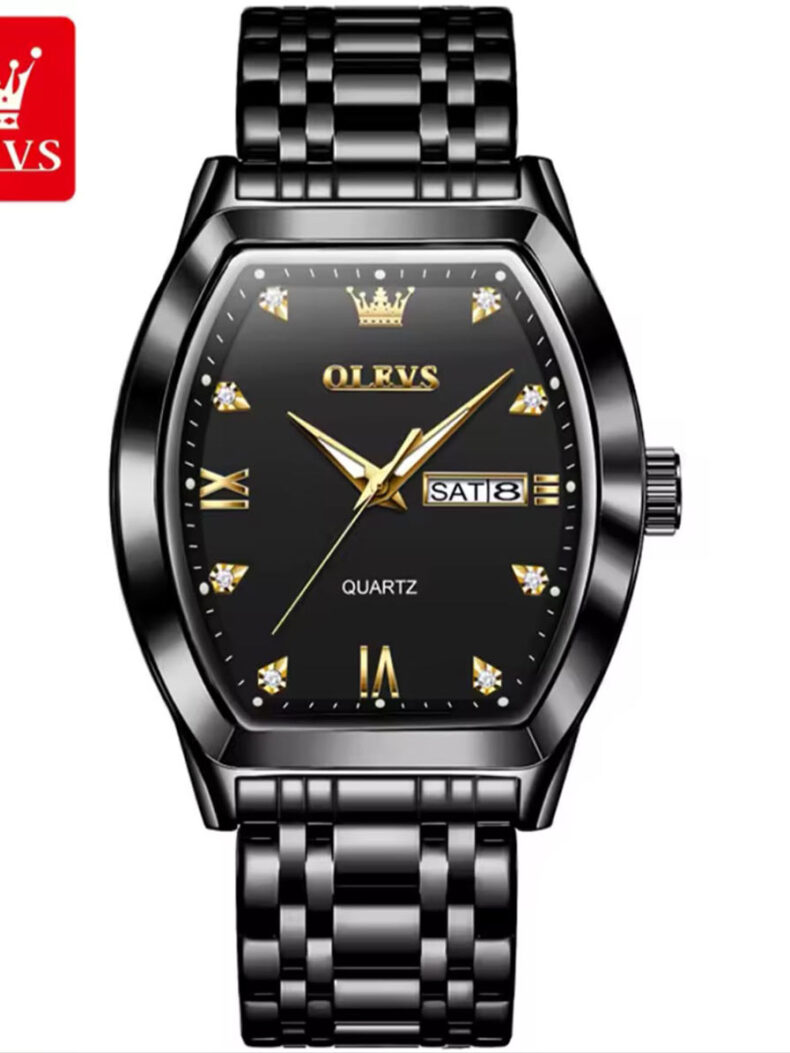
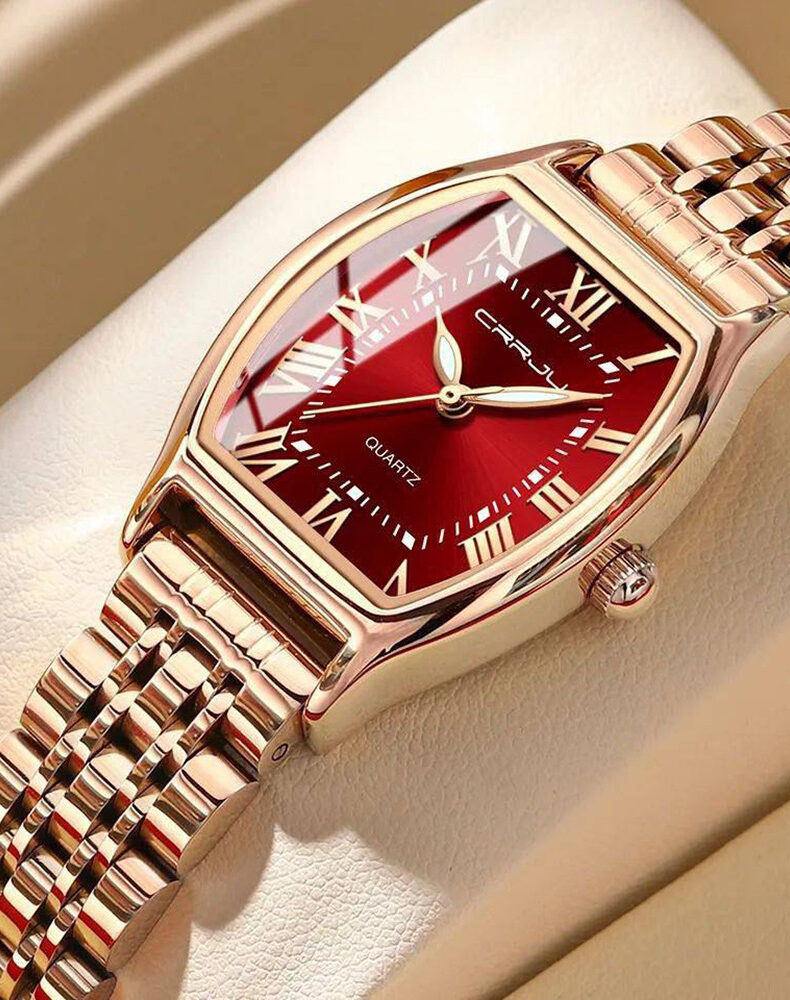
A quartz watch uses a battery-powered electronic movement regulated by a quartz crystal oscillator.
When electricity passes through the quartz crystal, it vibrates at an extraordinarily consistent frequency. These vibrations regulate the movement of the watch hands with remarkable precision.
Quartz watches became immensely popular due to their affordability, accuracy, and minimal maintenance requirements.
Today, quartz watches dominate the global watch market.
How Quartz Watches Function
Quartz watches rely on electronic circuitry rather than mechanical gears.
The battery sends electrical energy through the quartz crystal. The crystal oscillates rapidly, usually at 32,768 vibrations per second.
A microchip converts these oscillations into precise one-second pulses that drive the motor and move the hands.
The result is highly accurate timekeeping with minimal deviation.
The History of Automatic Watches
Automatic watches emerged centuries before quartz technology.
Mechanical watchmaking flourished in Europe during the 18th and 19th centuries. Swiss horologists refined the art over generations, producing increasingly sophisticated self-winding mechanisms.
Automatic watches became synonymous with refinement and luxury. Renowned brands elevated these watches into status symbols admired worldwide.
Even today, many collectors appreciate automatic watches for their historical lineage and mechanical purity.
The Rise of Quartz Technology
The quartz revolution transformed the watch industry during the 1970s.
Quartz technology offered superior accuracy at significantly lower production costs. Suddenly, reliable watches became accessible to millions of consumers.
This period disrupted traditional Swiss watchmaking and dramatically shifted global market dynamics.
Despite initial resistance from luxury watchmakers, quartz watches gained enormous popularity due to their convenience and affordability.
Accuracy Comparison Between Automatic and Quartz Watches
Accuracy represents one of the most significant differences between these watch categories.
Quartz watches are substantially more accurate than automatic watches. Most quartz models deviate only a few seconds per month.
Automatic watches, however, may gain or lose several seconds daily due to environmental variables such as temperature, gravity, and positional changes.
For users prioritizing precision, quartz usually prevails.
For enthusiasts prioritizing craftsmanship, automatic watches remain irresistible.
Craftsmanship and Engineering Differences
Automatic watches showcase extraordinary mechanical artistry.
Hundreds of microscopic components interact seamlessly inside the case. Some luxury automatic movements are painstakingly assembled by master watchmakers.
Quartz watches, while technologically impressive, emphasize efficiency and electronic functionality rather than handcrafted mechanics.
This distinction heavily influences buyer preferences.
Maintenance Requirements
Automatic watches demand more maintenance than quartz watches.
Mechanical lubricants degrade over time, necessitating periodic servicing every few years. Failure to maintain an automatic watch may compromise performance and longevity.
Quartz watches require far less attention. Replacing the battery every few years is typically sufficient.
This practicality makes quartz watches ideal for busy lifestyles.
Battery vs Self-Winding Mechanism
The power source fundamentally separates these watch types.
Quartz watches depend on batteries. Once depleted, the watch stops functioning until the battery is replaced.
Automatic watches harvest kinetic energy naturally through movement. As long as the wearer remains active, the watch continues operating.
Some collectors appreciate the autonomy and romanticism of battery-free timekeeping.
Durability and Longevity
Both watch types can last for many years when properly maintained.
Automatic watches often possess exceptional longevity because their movements can be serviced and restored indefinitely.
Quartz watches, although durable, contain electronic components that may eventually become obsolete or difficult to repair.
However, modern quartz watches are remarkably resilient for everyday use.
Browse durable men’s watches at MylesHaven Watch Collection.
Style and Fashion Appeal
Fashion plays a crucial role in watch selection.
Automatic watches typically exude elegance, sophistication, and luxury. Their sweeping second hand creates a smooth motion that many enthusiasts adore.
Quartz watches often embrace modernity, sportiness, and affordability. They are available in countless designs suitable for casual and professional settings.
Both categories offer visually stunning options for diverse tastes.
Luxury Perception in the Watch Industry
Luxury brands overwhelmingly favor automatic movements in premium collections.
Mechanical craftsmanship carries immense prestige within the horological world. Consumers often associate automatic watches with heritage, exclusivity, and artistry.
Quartz watches, while respected for precision, generally occupy more affordable market segments.
Nevertheless, some luxury brands produce exceptionally refined quartz models.
Cost Comparison
Quartz watches are usually more affordable than automatic watches.
Their electronic production process is simpler and cheaper to manufacture at scale.
Automatic watches involve intricate assembly, meticulous calibration, and higher craftsmanship costs.
This difference explains why luxury automatic watches often command premium pricing.
Everyday Practicality
Quartz watches excel in convenience.
They require minimal interaction, maintain excellent accuracy, and suit fast-paced lifestyles.
Automatic watches can stop running if left unworn for extended periods, requiring resetting before use.
For everyday reliability, quartz watches often provide greater practicality.
Best Watch Type for Business Professionals
Business professionals frequently prefer quartz watches because of their reliability and precision.
Punctuality matters. Quartz watches ensure dependable timekeeping without constant adjustment.
However, executives and entrepreneurs who appreciate refined aesthetics may favor automatic watches as subtle indicators of sophistication.
Both styles complement formal attire beautifully.
Best Watch Type for Collectors
Collectors often gravitate toward automatic watches.
Mechanical complexity, visible movement components, and historical significance create emotional attachment.
Each automatic watch possesses a unique personality and engineering narrative.
Quartz watches rarely evoke the same sentimental fascination among traditional collectors.
Water Resistance and Outdoor Performance
Quartz watches generally perform better in rugged outdoor conditions.
Their electronic movements are less susceptible to shock and environmental disruption.
Automatic watches can be durable as well, especially high-quality sports models, but their intricate mechanics remain more delicate overall.
Outdoor enthusiasts frequently choose quartz watches for reliability during travel and adventure activities.
Noise and Movement Sensation
Quartz watches typically produce a distinct ticking motion once per second.
Automatic watches feature a smooth sweeping second hand due to continuous mechanical oscillation.
Many enthusiasts find this fluid movement aesthetically mesmerizing.
The subtle sensation of a rotor spinning inside an automatic watch also adds tactile character.
Environmental Impact
Automatic watches may offer superior sustainability over extremely long periods because they avoid disposable batteries.
Quartz batteries contribute to electronic waste if improperly discarded.
However, quartz watches consume relatively little energy overall.
Consumers increasingly consider environmental implications when selecting personal accessories.
Common Myths About Automatic Watches
Many people believe automatic watches never require servicing. This is incorrect.
Mechanical movements need periodic lubrication and calibration to maintain optimal performance.
Another misconception is that automatic watches are always more accurate than quartz watches.
In reality, quartz watches generally outperform mechanical watches in precision.
Common Myths About Quartz Watches
Some consumers mistakenly assume quartz watches are “cheap” or inferior.
In truth, quartz technology represents extraordinary scientific advancement and offers exceptional reliability.
Another myth suggests quartz watches lack style. Modern quartz models are available in luxurious, elegant, and premium designs.
The movement type alone does not determine aesthetic quality.
Which Watch Type Offers Better Value?
Value depends entirely on personal priorities.
If accuracy, affordability, and convenience matter most, quartz watches deliver exceptional value.
If craftsmanship, heritage, and mechanical artistry are more important, automatic watches become immensely rewarding investments.
Neither category is universally superior.
The ideal choice aligns with individual lifestyle preferences.
How to Choose the Right Watch for Your Lifestyle
Consider these factors before purchasing a watch:
Choose Automatic If:
- You appreciate craftsmanship
- You enjoy luxury accessories
- You collect watches
- You admire traditional engineering
Choose Quartz If:
- You prioritize accuracy
- You want minimal maintenance
- You prefer affordability
- You need practical everyday reliability
Discover affordable and stylish men’s watches at MylesHaven Men’s Watches.
Final Verdict: Automatic vs Quartz Watches
The debate between automatic and quartz watches continues because both possess compelling strengths.
Automatic watches celebrate heritage, artistry, and mechanical sophistication. Quartz watches champion precision, practicality, and efficiency.
Neither movement is objectively better in every scenario.
The best watch is the one that complements your personality, lifestyle, and preferences.
Conclusion
Watches are deeply personal accessories. Some individuals admire the intricate heartbeat of an automatic movement. Others appreciate the dependable accuracy of quartz technology.
Both categories have shaped the watch industry profoundly.
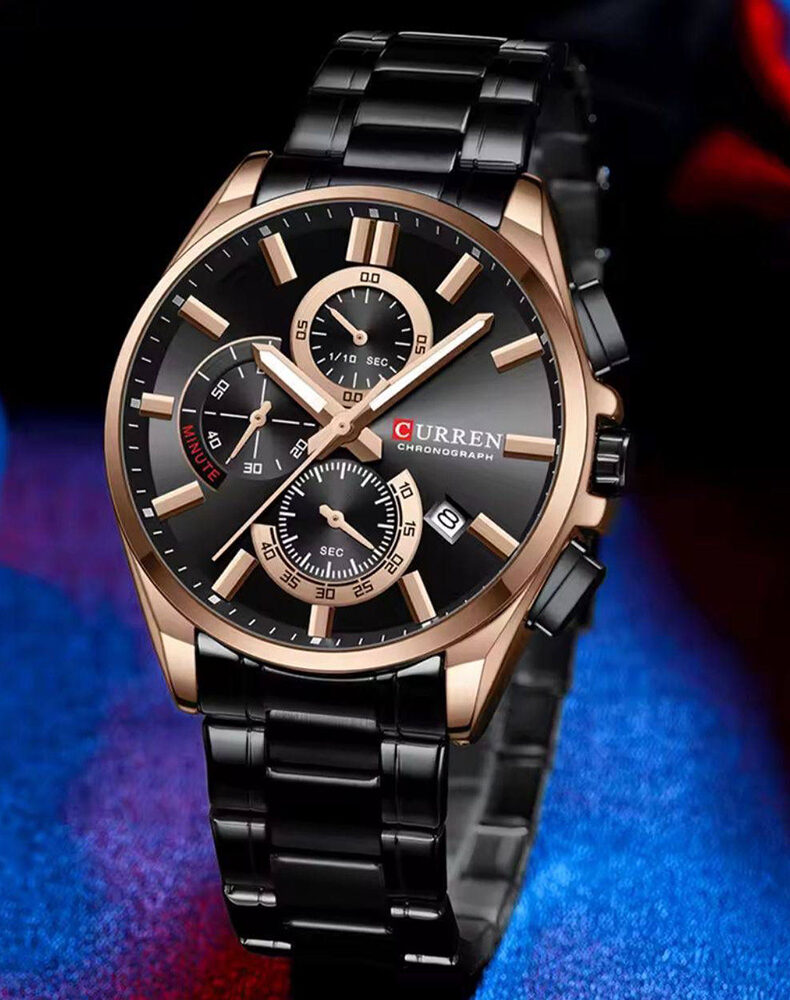
Whether choosing an elegant automatic dress watch or a dependable quartz chronograph, understanding these differences ensures a smarter and more satisfying purchase.
Ultimately, the perfect watch is not merely about telling time. It is about expressing identity, confidence, and style.